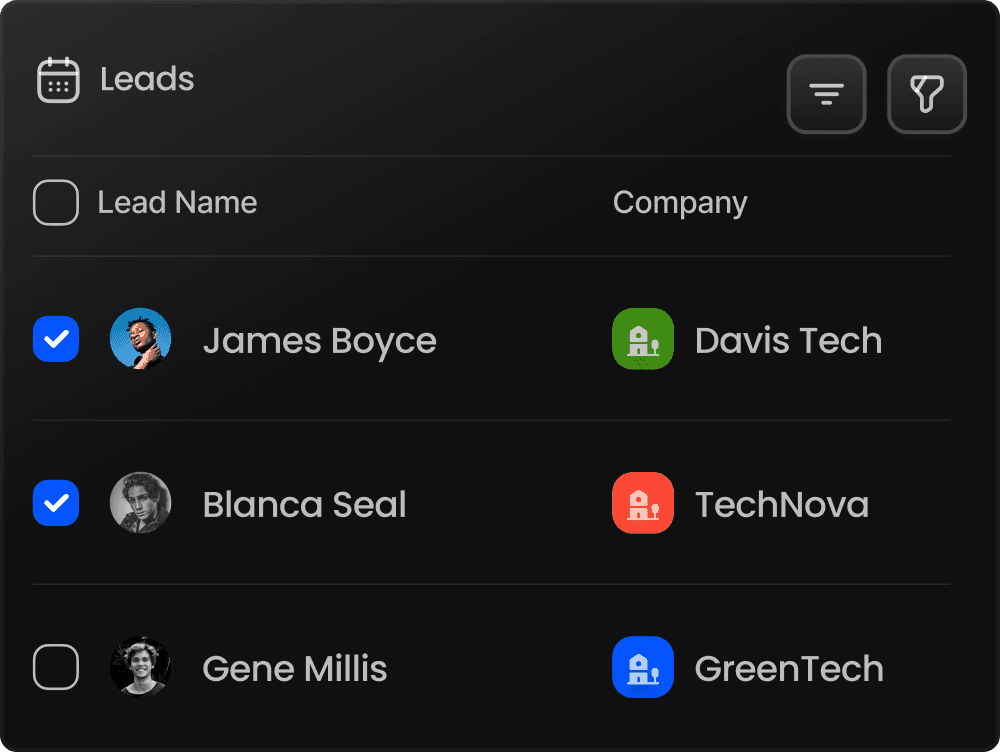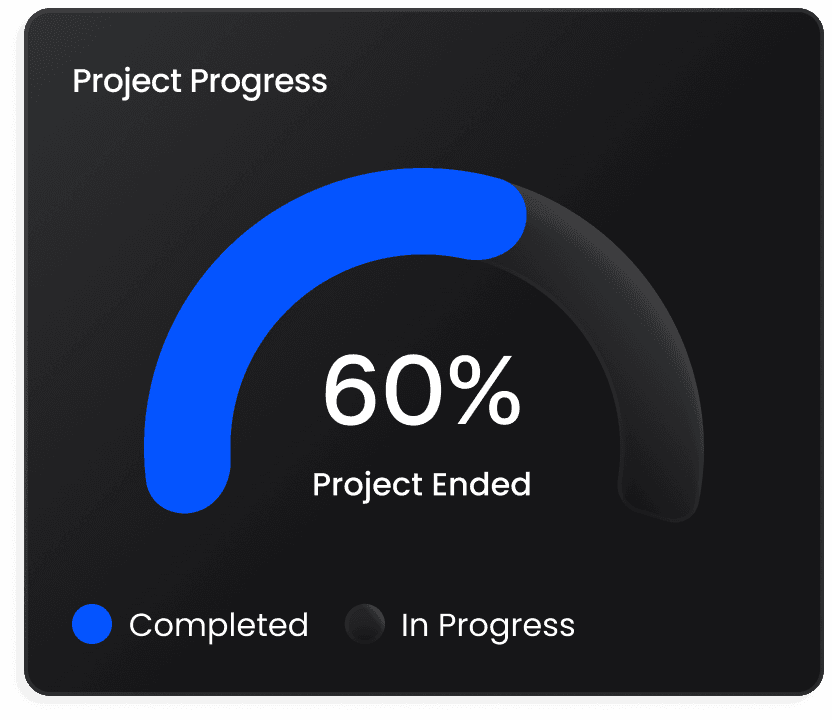
A promising lead comes in on Monday. The salesperson has a quick conversation, sends some information and plans to follow up on Thursday.
Thursday arrives, but the sales executive is busy with meetings. The follow-up gets pushed to Friday, then Monday. By the time someone contacts the prospect again, the buyer may already be speaking with a competitor.
This is a common sales problem. It is not always caused by a lack of leads or effort. Often, the real problem is timing.
For businesses trying to understand how to use AI in sales process automation, this is one of the most practical places to start. AI can help sales teams identify which leads need attention, organize follow-ups, highlight inactive deals and reduce repetitive administrative work.
The goal is not to let software handle every customer conversation. The goal is to help salespeople spend less time remembering what to do and more time actually selling.
Why Follow-Ups Matter So Much in B2B Sales
Most B2B customers do not make a purchasing decision after the first interaction.
There may be several stages between an initial enquiry and a closed deal:
Lead → Qualification → Discussion → Demo or Meeting → Proposal → Follow-Up → Negotiation → Closure
During this journey, customers may need more information, internal approval, revised pricing, technical clarification or additional discussions.
That makes follow-up a critical part of the B2B sales process.
The problem appears when a sales team is managing dozens or hundreds of opportunities at the same time.
A salesperson may need to remember:
Who asked for a quotation
Who requested a call next week
Which prospect has not replied
Which deal has been sitting in the same stage
Which customer needs a revised proposal
Which opportunity deserves immediate attention
Spreadsheets and personal reminders can work when the business is small. As the sales operation grows, however, relying on memory becomes risky.
AI-powered automation can make this process much more structured.
How to Use AI in Sales Process Automation
AI becomes useful when it turns sales information into a clear next action.
Instead of asking a salesperson to manually review every lead each morning, an AI-supported sales system can analyze customer activity, deal status, previous interactions and upcoming tasks to help the salesperson understand what deserves attention.
Here are some of the most useful applications.
1. Prioritize Leads That Need Attention
Not every lead should receive the same amount of attention.
Imagine your sales team has 50 active prospects.
Some have recently requested pricing. Some have attended a product demo. Others have not responded for weeks.
Calling them randomly is not an efficient approach.
AI can help analyse available sales data and highlight leads that appear more relevant or require immediate action.
A salesperson can then start the day with a clearer priority list rather than opening a spreadsheet and deciding manually.
This can be especially useful for growing companies where each executive handles a large number of prospects.
2. Automate Follow-Up Reminders
One of the easiest ways to improve sales process efficiency is to remove the need to remember every follow-up manually.
Suppose a prospect says:
“Please call me next Tuesday.”
That information should become an actionable task rather than simply remaining inside someone's notes or WhatsApp conversation.
A structured CRM can create and track the follow-up so the opportunity appears when attention is required.
Automation can also help teams identify prospects where no activity has taken place for a certain period.
Instead of discovering forgotten opportunities weeks later, the team can act while the conversation is still relevant.
3. Detect Deals That Are Going Cold
Some sales opportunities do not officially become lost.
They simply stop moving.
A prospect may remain in the quotation or negotiation stage for several weeks without meaningful activity.
This is dangerous because the pipeline can appear healthy even though many opportunities are effectively inactive.
AI-supported pipeline analysis can help identify signals such as:
No recent customer interaction
Long periods in one pipeline stage
Multiple follow-ups without progress
Missed sales activities
Opportunities approaching important deadlines
This gives sales teams an opportunity to intervene before a promising deal disappears.
4. Make the Next Action Clear
A CRM should not simply tell you where a deal is.
It should help you understand what needs to happen next.
For example:
Lead A: Follow up regarding quotation
Lead B: Schedule product demonstration
Lead C: Waiting for management approval
Lead D: No activity for seven days
Lead E: High-priority opportunity requiring manager review
This kind of visibility can completely change how to manage customer deals.
Instead of salespeople searching through emails, notes and spreadsheets, the next action becomes part of the workflow.
That creates greater consistency across the team.
5. Reduce Repetitive Sales Administration
Salespeople should spend their time speaking with customers, understanding requirements and closing business.
In reality, a large part of the day can disappear into administrative work.
Updating records, creating tasks, checking follow-up dates, organizing activities and reporting progress all take time.
Automation can reduce some of this repetitive work.
For example, workflows can help trigger reminders, assign tasks, organize follow-ups or update sales activities based on defined conditions.
The time saved may look small for one salesperson.
Across a team handling hundreds of customer interactions every month, it can become significant.
6. Give Managers Better Pipeline Visibility
Sales managers often face a different problem.
They are not managing one deal. They are trying to understand the health of the entire pipeline.
Without a structured system, managers may repeatedly ask:
“Did you follow up with this customer?”
“What happened with that quotation?”
“Why hasn't this deal moved?”
“When are you calling them again?”
A centralized sales platform combined with AI-supported insights can give managers better visibility into opportunities, activities and follow-ups.
They can focus their attention on exceptions and risks rather than manually checking every salesperson's work.
For MSMEs expanding their sales teams, this can be particularly valuable.
7. Use Sales Data to Improve Conversion Decisions
AI becomes more useful as the business builds reliable sales data.
Over time, patterns can begin to emerge.
You may discover that certain lead sources generate better opportunities, certain types of prospects move through the pipeline faster or deals tend to stall at a specific stage.
These insights can help management make better decisions about where the sales team should focus its effort.
AI does not magically create a better sales process from poor information.
Accurate data still matters.
If salespeople do not update customer activity or pipeline stages correctly, any analysis will be less useful.
That is why automation and disciplined CRM usage need to work together.
Where SalesLyt Fits Into an AI-Powered Sales Process
For growing Indian businesses, the challenge is often not finding another complicated technology platform.
It is bringing everyday sales activities into one structured workflow.
SalesLyt is designed as an AI-powered CRM and sales management platform for MSMEs, B2B companies and growing sales teams.
It can help businesses bring together activities such as lead management, customer follow-ups, sales pipelines, sales activities, AI-supported insights and performance visibility.
Instead of maintaining one spreadsheet for leads, another file for quotations and personal reminders for follow-ups, teams can work from a more connected sales process.
This becomes particularly useful for businesses searching for CRM software for MSME businesses in India, where ease of use, team visibility and practical sales management are often more important than adding unnecessary complexity.
The objective is simple:
Know which opportunity needs attention, what needs to happen next and who is responsible for doing it.
A Practical Example
Consider an industrial supplier with five sales executives.
Every executive manages enquiries from manufacturers, dealers and existing customers.
Before using a structured system, follow-ups may be recorded in notebooks, spreadsheets, phones and WhatsApp conversations.
A customer asks for a quotation.
The quotation is sent.
Three days later, nobody remembers to check whether the customer reviewed it.
Now imagine the same process with structured automation.
The quotation activity is recorded. A follow-up task is scheduled. The salesperson sees it in the day's activities. If the opportunity remains inactive, it can be highlighted for attention.
The salesperson still speaks with the customer and handles the relationship.
Technology simply reduces the chance that the opportunity gets forgotten.
That is where AI and automation create practical value.
How to Start Using AI Without Overcomplicating Sales
Businesses do not need to automate everything at once.
Start with the areas where your team is losing the most time or opportunities.
A practical approach is:
Document your existing sales stages.
Centralize your leads and customer information.
Make follow-up dates mandatory.
Introduce automated reminders and task workflows.
Track how long deals remain in each stage.
Use AI-supported insights to identify priorities and risks.
Review results and gradually automate additional activities.
The objective should always be to make the sales process easier to follow.
Automation that creates more complexity defeats the purpose.
AI Should Support Salespeople, Not Replace Relationships
Sales is still built on human interaction.
A salesperson understands tone, builds trust, negotiates commercial terms and develops long-term customer relationships.
AI cannot replace all of that.
What it can do is reduce the operational friction around the salesperson.
It can help answer questions such as:
Who should I contact today?
Which opportunity is becoming inactive?
What follow-up have I missed?
Which deals require management attention?
What should happen next?
When those answers are easier to find, the salesperson has more time to concentrate on conversations that actually move business forward.
Conclusion: Use AI to Make Every Follow-Up Count
Understanding how to use AI in sales process automation does not mean handing your sales operation over to software.
It means using technology to create a more disciplined and responsive way of selling.
AI can help teams prioritize opportunities, automate follow-up reminders, identify inactive deals, organize customer activities and improve pipeline visibility. Combined with a well-defined B2B sales process, these capabilities can help businesses reduce missed opportunities and make better use of every lead they generate.
For companies looking at how to improve sales process performance or how to manage customer deals more consistently, follow-up automation is an excellent place to begin.
SalesLyt brings CRM, sales pipeline management, follow-ups, automation and AI-powered sales capabilities together in one environment designed for growing businesses.
Instead of asking your team to remember every opportunity, build a sales process that helps them know exactly what deserves attention next.
Ready to make your follow-ups faster and your sales process smarter? Explore SalesLyt and discover how AI-powered sales management can help your team turn more opportunities into customers.

Conclusion
AI is becoming increasingly useful for sales teams because it can help reduce repetitive work and make important follow-ups easier to manage. Learning how to use AI in sales process automation can help businesses prioritize opportunities, identify inactive deals, organize customer interactions, and ensure that important sales activities are not forgotten.
For growing businesses, combining AI with a structured B2B sales process can also make it easier to understand how to manage customer deals and how to improve sales process efficiency across the team.
SalesLyt brings lead management, sales pipelines, follow-ups, automation, customer activities, and AI-powered sales capabilities into one platform. For businesses looking for practical CRM software for MSME businesses in India, this can help create a more organized sales workflow without adding unnecessary complexity.
The purpose of AI is not to replace salespeople. It is to help them spend less time managing routine activities and more time building customer relationships and closing opportunities.
With SalesLyt, your team can follow up faster, stay focused on the right opportunities, and build a more consistent path from lead to customer.