Managing customer deals becomes surprisingly difficult once a business starts receiving more enquiries.
At the beginning, a salesperson may be able to remember every prospect, quotation and follow-up. A spreadsheet may be enough. WhatsApp messages, phone calls and a few notes can keep things moving.
But that system usually becomes harder to manage as the number of opportunities grows.
One customer is waiting for a quotation. Another wants a follow-up next week. A third has shown interest but has not replied for several days. Meanwhile, a new enquiry arrives and immediately demands attention.
Without a clear system, good opportunities can quietly disappear.
Learning how to manage customer deals effectively is therefore less about working harder and more about creating a sales process where every opportunity has a clear stage, owner and next action.
A structured sales pipeline can provide exactly that visibility.
What Does Managing a Customer Deal Actually Involve?
A customer deal is more than a name and phone number.
From the first conversation until the final purchase, a salesperson may need to understand the customer's requirement, qualify the opportunity, schedule discussions, share pricing, prepare quotations, negotiate terms and follow up several times.
For a B2B company, a deal might move through stages such as:
New Enquiry → Qualified → Discussion → Proposal or Quotation → Negotiation → Closing → Won/Lost
The exact stages can vary from one business to another.
What matters is that your team knows where each opportunity currently stands.
When this information is missing, salespeople start depending on memory. Managers have to ask repeatedly for updates, and nobody has a reliable view of what may close soon.
That is where a structured pipeline becomes valuable.
How to Manage Customer Deals Using a Structured Sales Pipeline
A sales pipeline gives every active opportunity a visible position in your sales journey.
Instead of maintaining a long list of customer names, your team can see which deals are new, which require a quotation, which are under negotiation and which need immediate follow-up.
Here are some practical ways to make that system work.
1. Define Clear Deal Stages
Start by deciding how a normal customer moves through your sales process.
Avoid creating too many complicated stages. Your team should be able to understand immediately what each one means.
For example, a small manufacturing or industrial business might use:
New Lead → Requirement Identified → Quotation Sent → Follow-Up → Negotiation → Won/Lost
A service company may use a slightly different structure.
The objective is to turn your B2B sales process into something visible and repeatable rather than allowing every salesperson to manage deals differently.
2. Record the Important Customer Information
A pipeline becomes useful only when the information inside it is reliable.
For every serious opportunity, record details such as the customer or company name, contact person, requirement, expected deal value, current stage, previous interaction and next follow-up.
You do not need to write an essay after every conversation.
A short but meaningful note can be enough.
For example:
“Customer reviewed quotation. Needs confirmation from purchase manager. Follow up Thursday.”
That one note gives considerably more context than simply writing “follow-up required.”
3. Give Every Deal a Next Action
This is one of the simplest ways to improve deal management.
After every meaningful customer conversation, ask:
What happens next?
Maybe you need to call the customer on Friday.
Maybe the customer needs a revised quotation.
Maybe your sales executive needs to schedule a product demonstration.
Whatever it is, record the next action and its date.
A deal without a next action can easily become a forgotten deal.
For businesses trying to understand how to improve sales process performance, this small discipline can make a significant difference.
4. Prioritize Deals Instead of Treating Every Opportunity Equally
Not every enquiry deserves the same amount of attention.
One prospect may only be exploring options. Another may have already requested final pricing and could make a decision this week.
Your team should be able to distinguish between them.
Look at factors such as buying intent, requirement, deal value, engagement, urgency, previous conversations and the expected probability of closing.
This helps salespeople decide where to spend their time instead of simply contacting customers in the order they appear in a spreadsheet.
5. Review Deals That Have Stopped Moving
One of the biggest benefits of a pipeline is the ability to spot stalled opportunities.
Suppose a quotation was sent ten days ago and no activity has been recorded since.
That deal deserves attention.
The customer may need additional information. Pricing may be an issue. The decision may have been delayed. Or the opportunity may no longer be active.
Without regular pipeline reviews, such deals can remain open for months and create an unrealistic picture of your sales opportunities.
Sales managers should periodically review:
Which deals have had no recent activity?
Which quotations are waiting for responses?
Which high-value opportunities require management involvement?
Which deals are unlikely to close?
Which opportunities could realistically close this month?
These questions turn pipeline management into a decision-making process rather than just record keeping.
Why Spreadsheets Become Difficult as Your Sales Team Grows
Spreadsheets are useful tools, and many businesses successfully use them during the early stages of growth.
The problem starts when several people need to update customer information at different times.
Follow-ups may exist in personal calendars. Call notes may remain on phones. Quotations may be stored elsewhere. Managers may receive progress updates through WhatsApp.
The result is fragmented information.
This is one reason growing businesses start exploring CRM software for MSME businesses in India.
A CRM can give salespeople and managers a shared place to manage customers, activities, follow-ups and opportunities while maintaining a clearer picture of the overall pipeline.
The value is not simply “going digital.” Most businesses are already digital.
The real value comes from connecting information that was previously scattered across several places.
How AI Can Support Customer Deal Management
Artificial intelligence can add another useful layer to the process when it is applied to the right sales data.
Understanding how to use AI in sales process activities does not mean handing customer relationships over to software.
Sales still requires human conversations, judgement and trust.
AI can instead help teams interpret information and identify where attention may be required.
For example, AI-supported sales tools can assist with opportunity prioritization, performance analysis, recommendations and insights based on sales activity.
A salesperson still makes the decision.
The technology helps make relevant information easier to identify.
This becomes increasingly valuable when a sales team is handling dozens or hundreds of opportunities simultaneously.
How SalesLyt Helps Keep Customer Deals Organized
SalesLyt is designed to help growing businesses bring everyday sales activities into a more structured workflow.
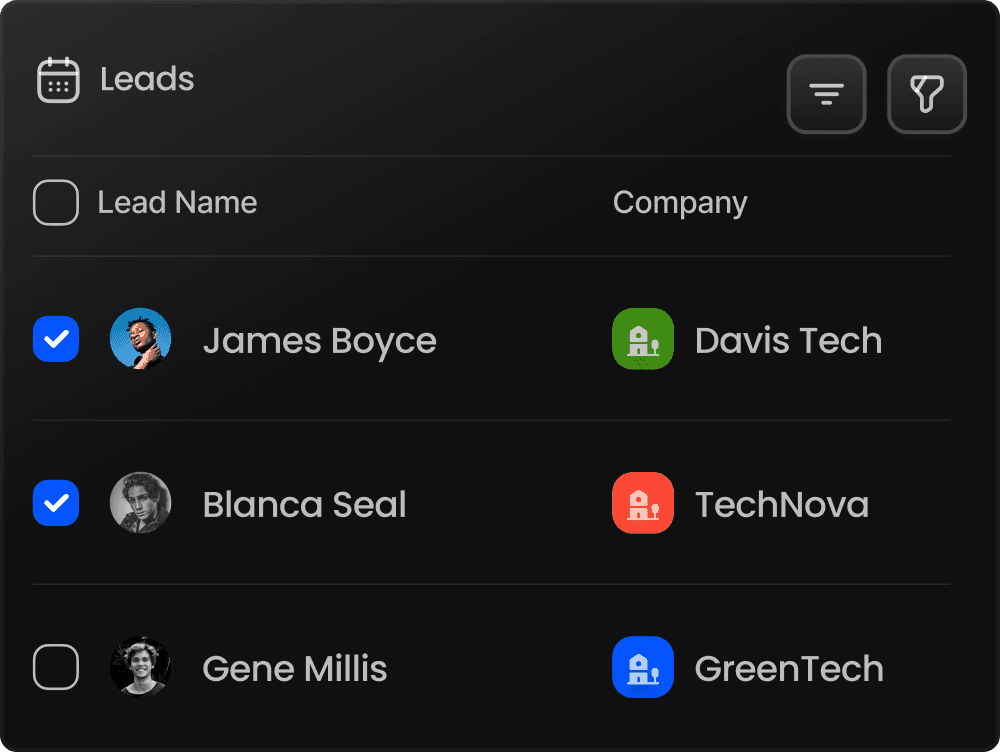
Teams can manage leads, customer information, sales opportunities, follow-ups and pipelines from one connected system.
Instead of wondering which customer needs attention next, salespeople can work from a clearer view of their activities and opportunities.
SalesLyt also brings capabilities such as AI-powered insights, sales performance monitoring, automated follow-ups, dashboards, quotations, invoices and payment tracking into the broader sales workflow.
For managers, this creates better visibility into what is happening across the team.
For salespeople, it reduces the need to depend on memory or disconnected records.
And for the business, it creates a more consistent journey from initial enquiry to completed deal.
A Simple Routine for Better Deal Management
Technology helps, but good habits still matter.
At the beginning of each day, review the deals requiring action.
After an important customer conversation, update the opportunity.
Before ending the day, check whether every active deal has a clear next step.
Once a week, review stalled and high-value opportunities with the sales team.
These routines do not require complicated sales strategies. They simply make the pipeline more accurate.
And an accurate pipeline makes better decisions possible.
Conclusion: Build a Sales Process Where No Good Deal Gets Forgotten
Knowing how to manage customer deals effectively is not about following up with customers endlessly.
It is about knowing where every opportunity stands, what happened during the last interaction and what should happen next.
A structured sales pipeline gives your team that clarity.
By defining deal stages, recording useful customer information, scheduling next actions, prioritizing opportunities and reviewing stalled deals, businesses can create a much more disciplined B2B sales process.
As the number of leads and customers grows, managing all of this manually becomes increasingly difficult.
SalesLyt helps bring your leads, customer relationships, follow-ups, opportunities and sales activities together so your team can spend less time searching for information and more time moving the right deals forward.
Organize your pipeline. Follow up at the right time. Keep every important opportunity visible with SalesLyt.

Conclusion
Managing customer deals effectively requires more than storing customer names and phone numbers. A structured sales pipeline helps your team understand where every opportunity stands, what action is required next, and which deals deserve immediate attention.
By defining clear sales stages, recording customer interactions, scheduling follow-ups, prioritizing active opportunities, and reviewing stalled deals regularly, businesses can create a stronger and more consistent B2B sales process.
For growing MSMEs and B2B sales teams, SalesLyt helps bring leads, customer information, follow-ups, opportunities, quotations, and sales activities into one connected system. This gives salespeople better visibility and helps managers make more informed decisions.
If you want to understand how to manage customer deals without depending on spreadsheets, scattered notes, or memory, a structured sales pipeline is a strong place to start.
Manage deals smarter, follow up on time, and keep every sales opportunity moving forward with SalesLyt.