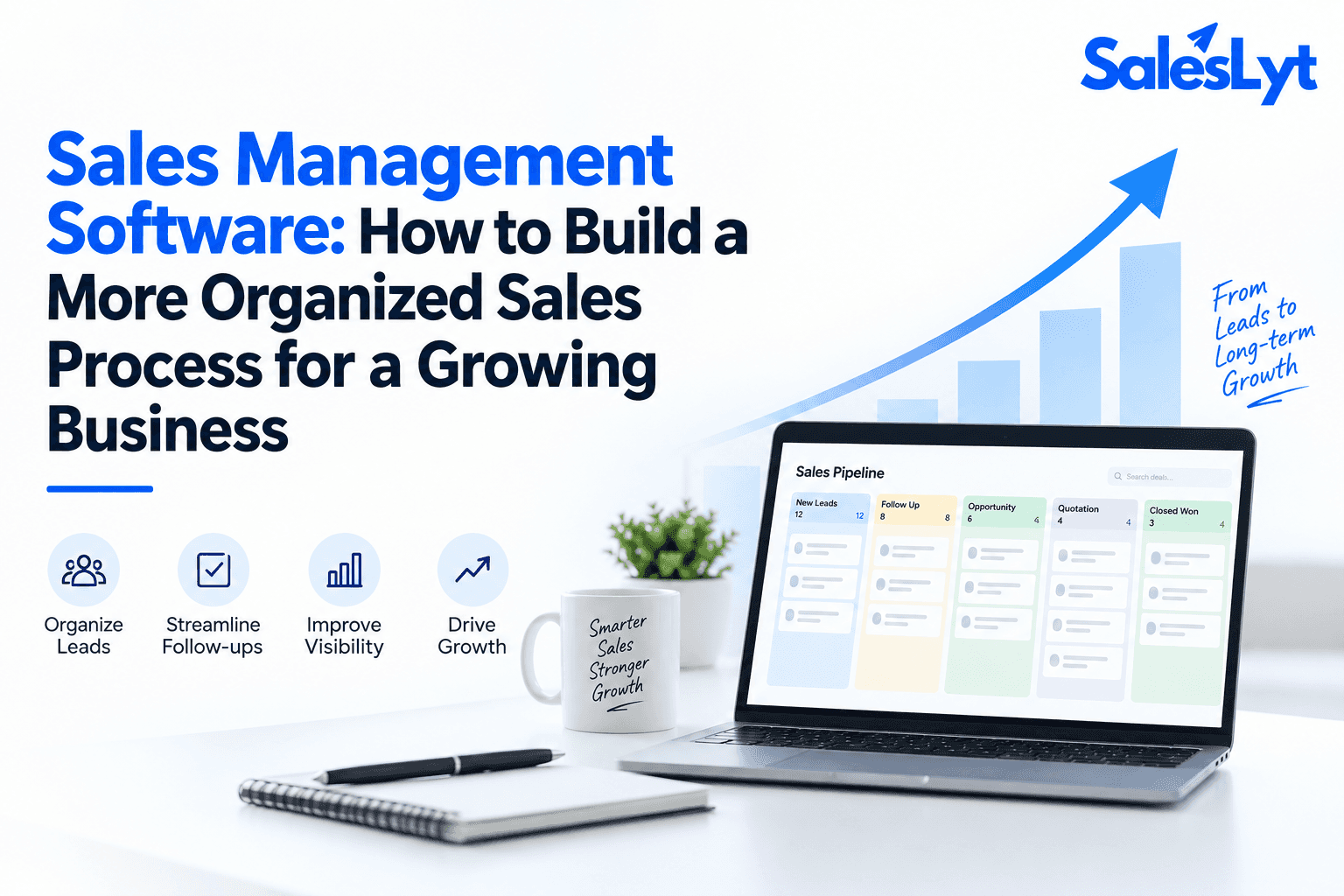
As a business grows, managing sales becomes more complicated. Leads arrive from different channels, customer conversations happen across calls and emails, follow-ups pile up, and managers need to know which deals are actually moving forward.
At first, a spreadsheet or a few separate tools may be enough. But once the sales team grows, this approach can make it difficult to maintain a clear view of customers and opportunities.
This is where CRM software for businesses becomes valuable.
The right CRM should do more than store customer names and contact details. It should help your team manage leads, organize follow-ups, track opportunities, understand sales performance, and make better decisions.
But with so many CRM platforms available, how do you choose the right one?
Here are the most important things to consider.
1. Start With Your Actual Sales Process
Before comparing CRM platforms, look at how your team currently sells.
Where do your leads come from? Who assigns them? How does your team record calls and meetings? How are follow-ups scheduled? How does a lead become an opportunity, and how does that opportunity eventually become a customer?
Your CRM should support this process rather than force your team into an unnecessarily complicated system.
For example, a small sales team may need an easy CRM for small business that makes everyday tasks simple. A larger team may need deeper reporting, employee performance tracking, automation, permissions, and structured workflows.
Understanding your current process will make it much easier to identify the features that actually matter.
2. Look for Strong Lead Management
Generating leads is only the beginning. The real challenge is making sure promising prospects are contacted, qualified, followed up with, and moved toward a sale.
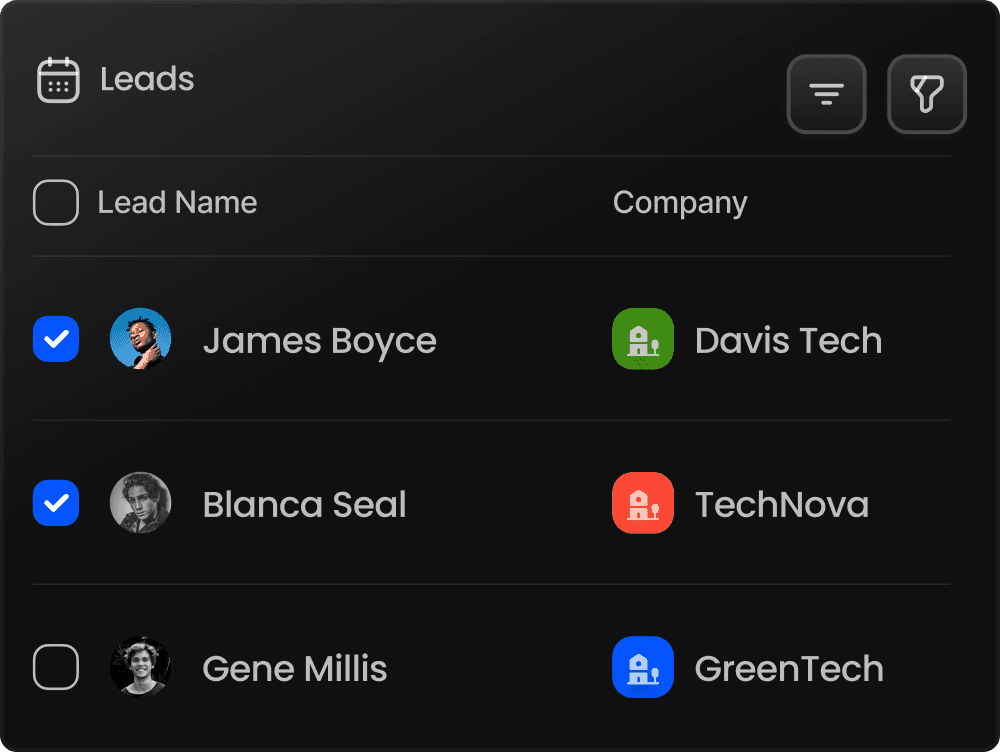
Good lead management software gives your sales team a central place to organize incoming leads and keep track of their progress.
Instead of searching through spreadsheets, notebooks, messages, and email threads, salespeople can see what needs attention from one system.
Effective sales lead management software should also make it easier to identify the status of each lead and understand what action should happen next.
For smaller organizations, choosing lead management software for small business can be especially useful because a missed follow-up can mean losing a valuable opportunity.
3. Make Sales Pipeline Visibility a Priority
A sales manager needs to know more than the number of leads in the database. They need to understand where those leads and opportunities are within the sales process.
That is why sales pipeline management should be one of the most important factors when evaluating a CRM.
A good sales pipeline tool helps your team visualize opportunities at different stages and understand which deals are progressing, which are slowing down, and which require immediate attention.
A sales pipeline tracker can also help answer practical questions:
Which deals are likely to close soon? Which opportunities have been sitting at the same stage for too long? Which salesperson needs support? Where are prospects dropping out of the process?
Better pipeline visibility helps turn sales data into actions.
4. Check How the CRM Handles Follow-Ups
One of the simplest ways to lose a potential customer is to forget a follow-up.
As the number of leads increases, remembering every call, meeting, email, task, and next action becomes unrealistic.
Your CRM should make follow-up management part of the daily workflow. Salespeople should be able to see what needs to be done without manually checking multiple systems.
Automation can make this even more effective.
SalesLyt, for example, focuses on managing leads, automating follow-ups, and moving deals through a more organized sales pipeline. It also includes automated task planning and productivity features designed to reduce repetitive work.
A CRM that supports consistent follow-ups can help create a more disciplined sales process.
5. Consider AI-Powered Sales Capabilities
Modern CRM systems are beginning to move beyond basic data storage.
AI sales management software can use sales data to help teams understand opportunities, prioritize actions, and make better-informed decisions.
Instead of only showing what has already happened, AI can help salespeople and managers determine what may require attention next.
For example, SalesLyt provides AI-powered insights and predictions, smart recommendations, and AI performance scoring for areas such as leads, customer calls, and sales visits.
This type of AI-powered sales software can be useful when a business has enough sales activity that managers can no longer manually review every lead, interaction, and opportunity.
AI should not replace your salespeople. Its value is in helping them work with better information.
6. Don't Ignore Sales Performance Management
A CRM is not only about managing customers. It can also help managers understand how the sales team is performing.
This is where sales performance management software becomes important.
Managers should be able to monitor relevant KPIs, activities, opportunities, outcomes, and overall productivity without constantly asking employees to prepare manual reports.
For growing companies, sales management software for small business can provide greater visibility into day-to-day sales execution while giving employees a clearer structure for managing their work.
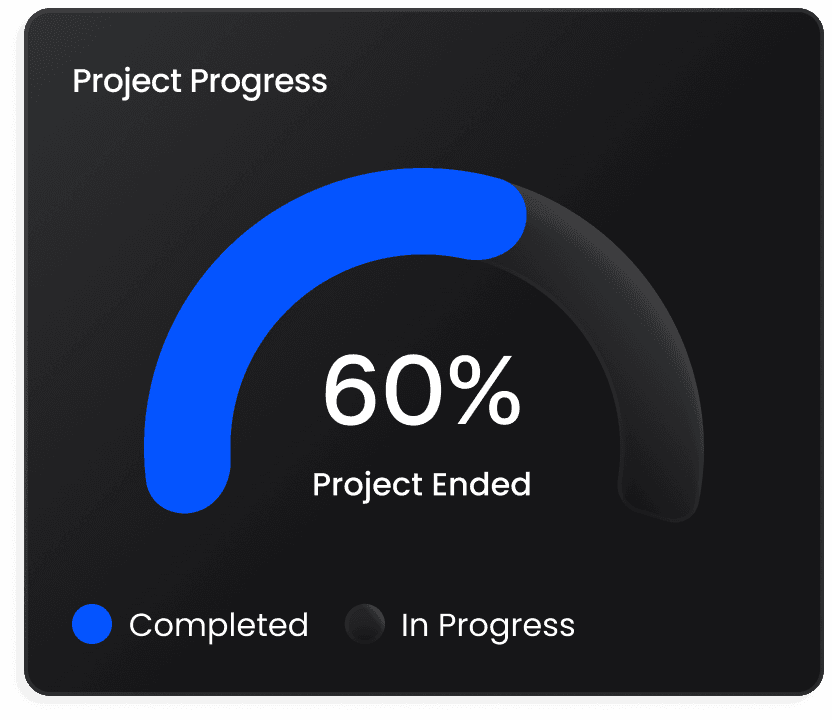
SalesLyt includes KPI dashboards, manager review workflows, task monitoring, approvals, productivity insights, and customizable dashboards to help businesses understand sales activity and performance.
7. Choose a CRM Your Team Will Actually Use
A CRM can have dozens of advanced features and still fail if the sales team finds it difficult to use.
Complexity is one of the biggest factors businesses should consider when choosing software.
Ask practical questions during your evaluation:
Can a salesperson quickly add a lead? Is it easy to update an opportunity? Can users find today's follow-ups without navigating through several screens? Can managers understand the pipeline without building complicated reports?
The best CRM for small business is not necessarily the platform with the longest feature list. It is the one that provides the features your business needs while remaining practical for everyday use.
User adoption matters because a CRM only becomes valuable when people consistently use it.
8. Think About Your Future Growth
The CRM you choose today should not become a limitation six months later.
Startups, in particular, can change quickly. A small founder-led sales operation may eventually become a structured team with executives, managers, territories, targets, and multiple sales processes.
The best CRM for startups should therefore be simple enough for the current team but flexible enough to support future growth.
A good sales CRM for startups should allow the business to move from informal lead tracking toward a more organized sales operation without requiring another complete system change.
The same principle applies to agencies.
A sales CRM for agencies should make it easier to manage prospects, client relationships, follow-ups, opportunities, and ongoing sales activities as the agency's client base grows.
9. Check Reporting and Analytics
Data is only useful when your team can understand it.
Look for CRM software that turns sales information into dashboards and reports that managers can actually use.
Useful reporting may include pipeline value, conversion trends, salesperson activity, opportunity status, follow-up performance, sales outcomes, and other relevant KPIs.
SalesLyt includes analytics dashboards, real-time reports, performance metrics, smart visualizations, and customizable dashboards.
These capabilities can help management move away from manually collecting numbers from different team members and toward a more consistent view of sales performance.
10. Choose a CRM That Connects the Sales Journey
Businesses often make the mistake of selecting separate tools for leads, tasks, pipeline tracking, reporting, quotations, and other sales activities.
That can eventually create another problem: fragmented information.
A stronger approach is to look for CRM software for businesses that connects the major stages of the sales journey.
SalesLyt is designed around this idea. The platform brings together lead and customer management, follow-ups, pipeline tracking, AI-powered insights, team performance, quotations, invoices, payment tracking, and other sales activities within one environment.
For a growing sales team, having these processes connected can provide a clearer picture of what is happening from the first lead interaction through to revenue.
Final Thoughts
Choosing a CRM should not begin with asking, "Which software has the most features?"
A better question is: "Which CRM will make our sales process easier to manage?"
Start by understanding your sales workflow. Then evaluate lead management, follow-ups, sales pipeline management, automation, reporting, AI capabilities, usability, scalability, and team performance features.
Whether you are looking for the best CRM for small business, best CRM for startups, or a more complete sales management platform, focus on software that your team can use consistently and that can grow alongside your business.
SalesLyt is built for businesses that want to bring leads, customers, follow-ups, opportunities, sales activities, pipeline visibility, and performance management into a more structured sales process.
The goal of a CRM should ultimately be simple: give your sales team better visibility, help them take the right actions at the right time, and create a more predictable path from lead to customer.
Ready to organize your sales process? Explore SalesLyt and discover how an AI-powered CRM can help your team manage leads, follow-ups, pipelines, and sales performance more effectively.

Conclusion
Choosing the right CRM software for businesses is about more than storing customer information. The right CRM should help your team manage leads, organize follow-ups, track opportunities, improve sales pipeline management, and understand sales performance from one place.
As your business grows, features such as lead management software, pipeline tracking, automation, reporting, and AI-powered sales software can make your sales process more organized and efficient.
SalesLyt brings these essential sales activities together, helping growing businesses create a more structured approach to managing leads, customers, opportunities, follow-ups, and team performance.
The best CRM is ultimately the one your sales team can use consistently—and one that can grow with your business.