For many manufacturing businesses in India, sales do not happen through a simple one-to-one process.
A manufacturer may generate enquiries from different cities, pass opportunities to dealers, work with distributors, coordinate quotations, follow up with customers, and manage field sales teams at the same time.
When this information is handled through spreadsheets, WhatsApp messages, emails, notebooks, and individual salespeople, problems start appearing very quickly.
One dealer may receive an enquiry but forget to follow up. Another distributor may ask for a quotation that nobody tracks properly. A sales manager may know that a deal is active but have no clear idea about its current stage.
This is where a structured CRM for manufacturing companies India can make a major difference.
A CRM helps manufacturing businesses organize dealer relationships, distributor activity, enquiries, quotations, follow-ups, and sales opportunities in one place.
Why Dealer and Distributor Sales Become Difficult to Manage
Manufacturing sales usually involve several people.
A typical sales journey may include:
Manufacturer
Regional sales manager
Dealer
Distributor
Field sales executive
Customer
Purchase department
Technical team
Because multiple people are involved, communication can easily become fragmented.
For example, imagine a manufacturer receives an enquiry from a customer in Pune.
The enquiry is assigned to a local dealer.
The dealer discusses the requirement with the customer and requests pricing from the manufacturer.
The quotation is prepared two days later.
The customer asks for a revised commercial offer.
Meanwhile, the sales manager wants to know whether the opportunity is still active.
If all these updates are spread across WhatsApp, phone calls, and email, tracking the opportunity becomes difficult.
A CRM creates a central record of the entire conversation and sales journey.
Keep Dealer and Distributor Information in One Place
One of the biggest advantages of using a CRM is having a structured database.
Instead of maintaining separate spreadsheets for dealers, distributors, enquiries, and customers, businesses can maintain the information inside a single system.
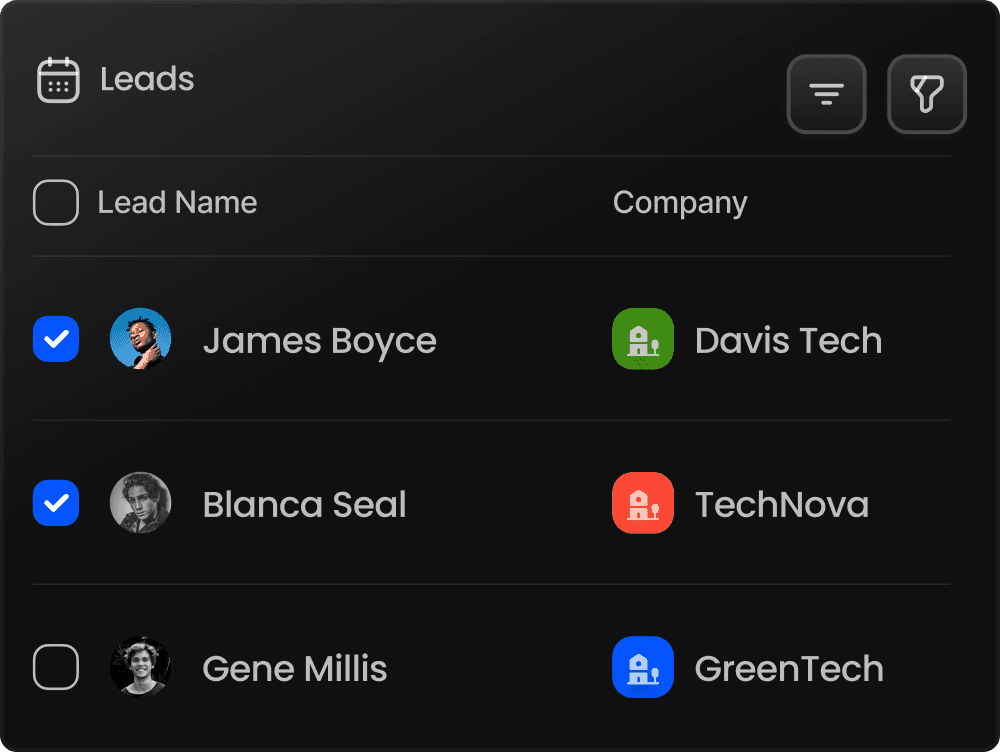
For every dealer or distributor, the company can track information such as:
Company name
Contact person
Phone number
Email
Location
Territory
Products handled
Previous enquiries
Active opportunities
Quotations
Follow-up history
Sales value
This gives the sales team a clearer picture of every business relationship.
It also helps management understand which channel partners are active and which ones may require additional support.
For companies searching for a CRM for industrial suppliers India, this type of centralized relationship management is equally important because industrial sales often involve repeat enquiries, technical discussions, and long sales cycles.
Track Every Enquiry from the Beginning
Manufacturing companies receive enquiries from many different sources.
These may come from:
Website forms
Trade shows
Dealers
Distributors
Existing customers
Referral partners
Phone enquiries
Email
Sales executives
Without a proper system, some enquiries can easily disappear.
A structured CRM allows the sales team to capture every lead and assign responsibility immediately.
For example:
New Enquiry → Assigned → Contacted → Requirement Confirmed → Quotation Sent → Negotiation → Order Won
This provides visibility across the complete B2B sales process.
Managers can quickly identify how many enquiries are active, how many are waiting for quotations, and how many are stuck in negotiation.
Make Follow-Ups More Consistent
In manufacturing sales, many deals are not closed during the first conversation.
Customers may need internal approvals.
They may compare multiple suppliers.
They may wait for budgets.
Technical teams may need to review specifications.
This means follow-up becomes extremely important.
If follow-ups depend only on memory, opportunities can easily be forgotten.
A CRM allows sales executives to record the next action and follow-up date.
For example:
Customer: ABC Engineering
Requirement: Industrial hose assembly
Quotation: ₹1,85,000
Next Follow-Up: 25 September
Status: Commercial discussion
Instead of searching through old messages, the salesperson can immediately understand what needs to happen next.
This is one of the most practical ways to improve sales process consistency.
Manage Quotations Alongside Sales Opportunities
Quotation management is often a major challenge for manufacturing businesses.
Customers may request:
Revised pricing
Different quantities
Alternative specifications
Additional products
Discount approval
Delivery schedule changes
If quotation versions are handled manually, confusion can arise.
A CRM can connect quotations with the relevant customer, dealer, distributor, and sales opportunity.
This creates a clearer sales history.
The team can see:
When the quotation was created
What amount was quoted
Whether it was revised
Who approved the pricing
Whether the customer responded
What the next action should be
This helps sales teams understand how to manage customer deals more systematically.
Get Better Visibility into the Sales Pipeline
Sales managers often ask questions such as:
“How many serious deals are active?”
“Which distributor has the highest pipeline?”
“How much business may close this month?”
“Which salesperson has opportunities waiting for follow-up?”
Without a central system, answering these questions may require collecting updates manually from multiple team members.
A CRM dashboard can provide a clearer pipeline view.
For example:
Sales Stage | Opportunities | Pipeline Value |
New Enquiry | 42 | ₹18 lakh |
Requirement Confirmed | 30 | ₹25 lakh |
Quotation Sent | 21 | ₹32 lakh |
Negotiation | 12 | ₹19 lakh |
Closing Stage | 6 | ₹11 lakh |
This helps management focus on deals that require immediate attention.
For growing businesses looking for CRM software for MSME businesses in India, this visibility can be extremely useful because sales managers often handle several responsibilities at the same time.
Monitor Dealer and Distributor Performance
Not every dealer contributes equally.
Some dealers consistently generate enquiries and close orders.
Others may generate many leads but very few conversions.
A CRM can help management compare partner performance using actual sales activity.
Businesses can evaluate:
Number of enquiries received
Number of quotations generated
Conversion rate
Total sales value
Average deal size
Follow-up activity
Active opportunities
This gives management more useful information when deciding where to invest time, training, marketing support, or territory expansion.
Reduce Dependence on Individual Salespeople
A common problem in manufacturing businesses is that important customer knowledge stays with individual employees.
One salesperson may know everything about a particular dealer, customer, or territory.
If that employee leaves the company, the new salesperson may struggle to understand the previous conversations.
With a CRM, customer history remains with the business.
The new salesperson can review:
Previous calls
Meeting notes
Quotations
Follow-ups
Deal stages
Customer requirements
This makes sales operations more stable and scalable.
Use AI to Prioritize Sales Activity
Modern CRM systems can also use AI to help teams identify opportunities that may require attention.
For example, AI can potentially help sales teams identify:
Leads with strong engagement
Deals with overdue follow-ups
Opportunities that have remained inactive
High-value accounts requiring attention
Frequently recurring customer requirements
The goal is not to replace salespeople.
The goal is to help them decide where to focus first.
For manufacturing businesses handling hundreds of customers, dealers, and distributors, better prioritization can save significant time.
What Should Manufacturing Companies Look for in a CRM?
The best CRM for MSME in India is not necessarily the system with the largest number of features.
Manufacturing businesses should focus on practical usability.
A useful CRM should support:
Lead and enquiry management
Dealer and distributor management
Customer database
Sales pipeline tracking
Follow-up reminders
Quotation tracking
Territory management
Field sales activity
Sales dashboards
Role-based access
Mobile-friendly access
Reports and analytics
Most importantly, the system should be easy enough for the sales team to use every day.
A complex CRM that nobody updates will not solve the problem.
How SalesLyt Helps Manufacturing Sales Teams
SalesLyt is designed to help B2B sales teams organize their sales process more clearly.
Manufacturing businesses can use SalesLyt to manage leads, customer relationships, dealer and distributor opportunities, follow-ups, quotations, pipeline activity, and sales performance from one system.
Instead of depending on multiple spreadsheets and disconnected conversations, teams can maintain a structured view of every opportunity.
For managers, this creates better visibility.
For sales executives, it creates clearer daily priorities.
And for the business, it creates a sales process that becomes easier to manage as the company grows.
Final Thoughts
Dealer and distributor networks can help manufacturing companies expand into new markets, but managing those relationships manually becomes difficult as sales volume grows.
The bigger the network becomes, the more important it is to maintain clear information about enquiries, quotations, follow-ups, opportunities, and customer conversations.
A structured CRM for manufacturing companies India gives sales teams one place to manage these activities.
It can help businesses create a more organized B2B sales process, improve visibility into customer deals, strengthen dealer relationships, and reduce missed follow-ups.
For manufacturing MSMEs that want to build a more predictable and scalable sales operation, moving from scattered spreadsheets and conversations to a centralized CRM can be an important step.
SalesLyt helps growing B2B businesses bring their sales activities together so teams can spend less time searching for information and more time moving opportunities forward.
Explore SalesLyt: https://saleslyt.com/

Conclusion
Managing dealer and distributor sales becomes increasingly difficult as a manufacturing business grows. Enquiries, quotations, follow-ups, customer conversations, and sales opportunities can easily become scattered across spreadsheets, emails, calls, and messaging apps.
A structured CRM for manufacturing companies India helps bring these activities into one place. It gives sales teams better visibility into dealer relationships, distributor performance, active opportunities, pending follow-ups, quotations, and the overall B2B sales process.
With SalesLyt, manufacturing businesses can organize their sales activities, manage customer deals more consistently, and build a sales process that is easier to monitor and scale.
For growing manufacturers and industrial businesses in India, a well-structured CRM can help reduce missed opportunities and create a more reliable sales system.