Generating leads is important, but leads alone do not grow a business. They need to move from initial interest to meaningful conversations and, eventually, paying customers.
That journey is where many sales teams struggle.
A prospect submits an enquiry. Someone makes the first call. A quotation is sent. Then the salesperson becomes busy with other work, the next follow-up is delayed, and the opportunity slowly disappears.
The problem is often not a lack of leads. It is a lack of structure between the first interaction and the final sale.
Effective sales pipeline management gives businesses that structure. It helps salespeople understand where every opportunity stands, what needs to happen next, and which prospects deserve immediate attention.
What Is Sales Pipeline Management?
A sales pipeline is a visual representation of the stages a prospect moves through before becoming a customer.
The exact stages vary from business to business, but a typical pipeline might look like this:
New Lead → Contacted → Qualified → Proposal → Negotiation → Won
Sales pipeline management is the process of monitoring and managing opportunities as they move through these stages.
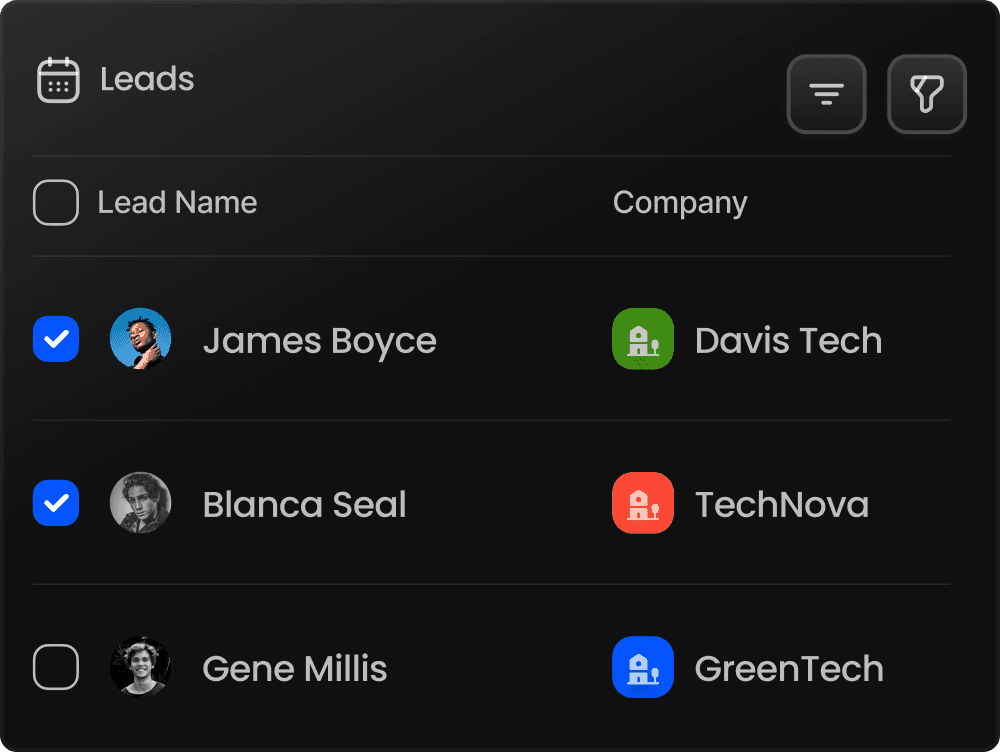
Instead of keeping prospects in one long spreadsheet, a sales pipeline tool allows teams to organize opportunities according to their current position in the sales process.
A sales pipeline tracker then makes it easier to see whether deals are progressing or sitting at one stage for too long.
This simple visibility can make a significant difference to everyday sales management.
1. It Helps You See Where Every Lead Stands
Imagine having 150 active prospects.
Some have just entered your pipeline. Others are waiting for a quotation. A few are negotiating prices, while several need another follow-up.
Without a structured system, it becomes difficult to know where to focus.
This is where CRM software for businesses can help. Instead of searching through emails, spreadsheets, notes, and messages, salespeople can view opportunities within an organized workflow.
A clear pipeline answers important questions quickly:
Which leads are new? Which prospects have received proposals? Which opportunities are close to closing? Which deals have stopped moving?
When the answers are visible, the team can act faster.
2. It Reduces Missed Follow-Ups
Follow-up is one of the most important parts of selling, but it is also one of the easiest activities to forget.
Salespeople handle calls, meetings, quotations, customer questions, internal discussions, and new enquiries throughout the day.
Expecting them to remember every future action is risky.
Good lead management software helps teams record the next step while the conversation is still fresh. Instead of thinking, “I should call this customer sometime next week,” the salesperson can create a clear follow-up action.
Using sales lead management software also gives managers better visibility into whether opportunities are being actively worked or simply sitting untouched.
For growing companies, lead management software for small business can bring consistency to follow-ups without requiring managers to manually check every salesperson's diary or spreadsheet.
3. It Helps Sales Teams Prioritize Better Opportunities
Not every lead deserves the same amount of attention.
One prospect may have downloaded a brochure. Another may have discussed requirements, requested pricing, and asked for a final proposal.
Clearly, the second opportunity deserves more immediate attention.
A well-managed pipeline helps salespeople prioritize their day according to the stage and status of each opportunity.
Modern AI sales management software can add another layer to this process. AI-supported insights can help teams interpret sales activity, identify patterns, and make more informed decisions about opportunities.
SalesLyt, for example, includes AI-powered insight and prediction along with AI performance scoring for leads, sales visits, and customer calls.
The purpose of AI-powered sales software is not to replace the salesperson. It is to give the salesperson better information for deciding where to focus.
4. It Makes Bottlenecks Easier to Find
Suppose your company generates plenty of leads and your salespeople contact most of them. Yet very few opportunities move from proposal to negotiation.
That tells you something important.
The problem may not be lead generation at all. Your pricing, proposal quality, response time, or sales approach may need attention.
Without a pipeline, this problem can remain hidden.
With structured sales pipeline management, managers can see where opportunities tend to slow down or drop out.
Perhaps too many leads remain in “Contacted.” Maybe quotations are being sent but not followed up. Perhaps negotiations are taking much longer than expected.
Finding the bottleneck is the first step toward fixing it.
5. It Gives Managers Better Sales Visibility
Managers need more than an end-of-month revenue number.
They need to know what is happening before the month ends.
This is one reason sales performance management software becomes valuable as teams grow. Managers can look beyond final results and understand sales activities, pipeline movement, follow-ups, and individual performance.
If a representative has many opportunities but very little movement, the manager can investigate.
If another salesperson is consistently moving qualified opportunities toward closure, the manager can study what is working.
Better visibility also makes sales meetings more useful. Instead of spending the meeting collecting updates, managers can focus on decisions, coaching, and problem-solving.
6. It Creates a More Consistent Sales Process
Without a defined process, every salesperson may work differently.
One follows up after two days. Another waits a week. One records detailed customer requirements, while another keeps everything in personal notes.
This inconsistency becomes difficult to manage as the team expands.
The best CRM for small business should help create a repeatable process without making everyday work unnecessarily complicated.
An easy CRM for small business can give representatives a common structure for recording leads, updating stages, scheduling follow-ups, and tracking opportunities.
Similarly, sales management software for small business can help owners and managers understand the overall sales operation without constantly asking employees for manual reports.
Consistency does not mean every customer receives identical treatment. It means important steps are less likely to be forgotten.
7. It Helps Businesses Scale Their Sales Operations
A small company may be able to manage ten or twenty active opportunities informally.
That becomes much harder with hundreds.
Startups often experience this problem quickly. Early-stage teams may begin with spreadsheets because they are simple and familiar. As lead volume and team size increase, those spreadsheets become harder to maintain.
When evaluating the best CRM for startups, founders should therefore think about future growth, not only today's requirements.
A structured sales CRM for startups can establish clear ownership, pipeline stages, follow-ups, and visibility before the sales operation becomes complicated.
Agencies face similar challenges. A sales CRM for agencies can help manage multiple prospects, proposals, decision-makers, service requirements, and follow-up cycles without losing track of important opportunities.
A good system should make growth easier to manage rather than creating more administrative work.
From Pipeline Visibility to More Conversions
A pipeline itself does not magically convert leads.
The value comes from what your team does with the information.
Start by making sure every genuine opportunity enters the pipeline. Assign clear ownership. Record the customer's requirement. Keep the stage updated. Set the next action. Review stalled opportunities regularly.
Managers should also look at movement, not just volume.
Having 200 leads sounds impressive, but if 150 have received no meaningful activity for weeks, the pipeline is not healthy.
A smaller pipeline with consistent follow-ups and clear progression may produce better results.
This is where the combination of CRM, automation, analytics, and AI becomes useful.
SalesLyt brings several of these areas together. Its current capabilities include lead tracking, automated follow-ups, smoother sales pipelines, AI-powered insight and prediction, performance scoring, KPI dashboards, task automation, quotations, invoices, and payment tracking.
That creates a more connected journey from initial lead to completed sale.
Build a Pipeline That Keeps Opportunities Moving
Converting more leads does not always require generating more leads.
Sometimes the bigger opportunity is improving what happens to the leads you already have.
Effective sales pipeline management gives your team a clearer view of every opportunity and helps prevent promising prospects from disappearing because of missed follow-ups, unclear ownership, or poor visibility.
With the right sales pipeline tool, salespeople can understand what needs attention today. With a reliable sales pipeline tracker, managers can see where opportunities are progressing and where they are getting stuck.
And when pipeline management is connected with lead management, automation, performance insights, and AI-supported decision-making, the entire sales process becomes easier to control.
For growing businesses, the goal is simple: create a sales process where every promising lead has a clear stage, a responsible owner, and a next action.
Because more leads are useful—but moving the right leads forward is what ultimately creates customers.

Conclusion
Effective sales pipeline management helps businesses do more than simply track leads. It gives sales teams a clear view of every opportunity, improves follow-ups, identifies stalled deals, and helps representatives focus on the prospects most likely to move forward.
With SalesLyt, businesses can bring lead tracking, pipeline management, automated follow-ups, performance monitoring, and AI-powered insights into one connected sales process. Better visibility means fewer missed opportunities and more informed sales decisions.
A well-managed pipeline turns sales activity into action—helping your team move the right leads forward and convert more opportunities into customers.