Manufacturing sales rarely happen in a single conversation.
A new enquiry may come through a phone call, website form, dealer, WhatsApp message, exhibition, referral, or field salesperson. The customer may then request a site visit. After that comes technical discussion, quotation, negotiation, purchase order, dispatch, invoice, and finally payment.
The problem is that these activities are often managed in different places.
The enquiry may be written in Excel. Site visit notes may stay in a salesperson’s diary. Quotations may sit in email folders. Order details may be handled by the back office team, while payment follow-ups are managed separately by accounts.
When information is scattered, even a good sales team can lose visibility.
This is where a structured CRM for manufacturing companies India can make a practical difference. Instead of treating every stage as a separate activity, a CRM can connect the complete customer journey from the first enquiry to the final payment.
Why Manufacturing Sales Need More Than a Basic Lead List
Manufacturing companies usually deal with longer and more complicated sales cycles than many consumer businesses.
A single opportunity may involve:
Sales executive
Sales manager
Technical engineer
Back office team
Production team
Accounts department
Customer purchase team
Dealer or distributor
There may also be several follow-ups before the customer takes a decision.
Because of this, a basic contact list is not enough.
The business needs visibility into questions such as:
Where did this enquiry come from?
Who is handling it?
Has the site visit happened?
What requirement was discussed?
Has the quotation been prepared?
When was it sent?
Is the customer negotiating?
Has the purchase order been received?
Has the invoice been generated?
Is payment still pending?
A connected CRM helps answer these questions without searching through multiple spreadsheets, emails, or chat histories.
Stage 1: Capture Every Enquiry in One Place
The first step is simple: every serious enquiry should enter one system.
An enquiry may come from the website, a referral, a dealer, a trade exhibition, a phone call, or a direct sales visit.
If some enquiries are recorded and others stay only in personal phones, the company does not have a complete pipeline.
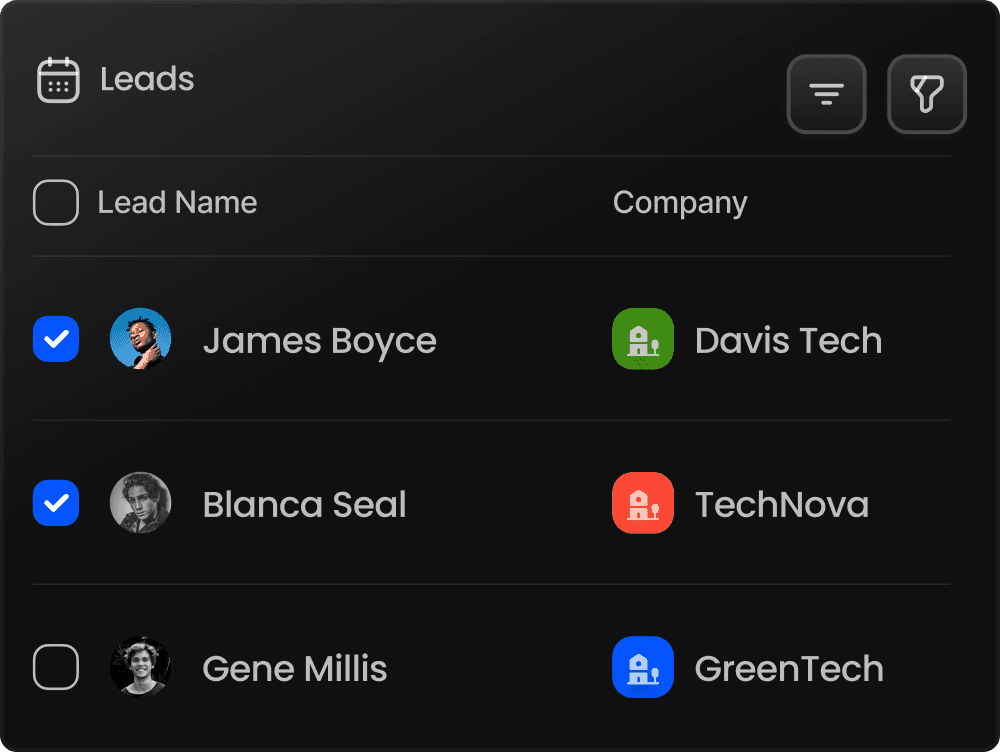
A CRM allows the business to capture useful information such as:
Company name
Contact person
Phone and email
Product requirement
Source of enquiry
Location
Assigned salesperson
Expected deal value
Next follow-up date
This creates a clear starting point for the B2B sales process.
It also helps managers understand how many opportunities are active and which sources are producing meaningful enquiries.
Stage 2: Manage Site Visits Properly
For many manufacturing and industrial businesses, a site visit is an important part of the sales cycle.
The salesperson or technical representative may need to understand:
Customer application
Installation conditions
Machine specifications
Existing setup
Technical problems
Quantity requirements
Delivery expectations
The problem starts when those observations are not recorded properly.
A salesperson may remember the discussion today, but three weeks later the details may not be clear.
A CRM can help connect the site visit with the original enquiry.
The team can record:
Visit date
People met
Discussion summary
Customer requirement
Technical notes
Photos or documents
Next action
Follow-up date
This is especially useful for businesses looking for CRM for industrial suppliers India, because industrial sales often depend heavily on technical conversations and field visits.
Stage 3: Connect the Quotation to the Opportunity
Quotations are one of the most important stages in manufacturing sales.
They are also one of the easiest places for a deal to slow down.
Consider this common situation:
A salesperson visits the customer and sends the requirement to the back office team.
The back office team needs pricing approval.
The manager is busy.
The quotation is delayed by two days.
The salesperson assumes it has already been sent.
The customer is waiting.
This is not necessarily a sales problem. It is a coordination problem.
A structured CRM helps connect the quotation stage with the opportunity so everyone can see the status.
For example:
Opportunity: ABC Engineering Expansion Project
Current Stage: Quotation
Quotation Owner: Back Office
Approval Required: Sales Manager
Due Date: 25 September
Next Action: Salesperson to follow up after quotation
Clear ownership reduces confusion.
This is one practical answer to how to improve sales process in manufacturing companies.
Stage 4: Keep Negotiation History Visible
After a quotation is sent, the customer may ask for changes.
They may request:
Lower price
Revised quantity
Different payment terms
Faster delivery
Product modification
Additional technical support
If these discussions remain only in email or WhatsApp, management may not understand what is happening with the deal.
A CRM can help maintain a simple activity history.
The salesperson can record that the customer requested a 5% price reduction, for example, or that a final decision is expected after an internal purchase meeting.
This makes it much easier to understand how to manage customer deals, especially when several people are involved.
It also helps another team member step in when the original salesperson is unavailable.
Stage 5: Convert the Opportunity Into an Order
Receiving the purchase order is a major milestone, but the process does not end there.
The sales team may need to coordinate with production, dispatch, finance, or customer service.
Important details can include:
Purchase order number
Order value
Product and quantity
Delivery date
Payment terms
Dispatch status
Customer instructions
A CRM should help maintain continuity between the sales opportunity and the confirmed order.
This prevents the sales team from treating a won deal as something that disappears from view immediately after the purchase order arrives.
For management, this creates better visibility into expected revenue and pending commitments.
Stage 6: Track Payment Follow-Up
A sale is not completely successful just because the order has been placed.
Payment matters.
Many manufacturing businesses operate with credit periods such as 15, 30, 45, or 60 days.
If payment follow-up is completely disconnected from the sales process, the salesperson may not know whether an important customer has an overdue balance.
A connected system can help the team track:
Invoice amount
Payment terms
Due date
Amount received
Outstanding amount
Payment follow-up status
This is particularly important for MSMEs, where delayed payments can affect working capital.
Businesses evaluating CRM software for MSME businesses in India should therefore consider whether the system supports visibility beyond just lead generation.
Why the Complete Journey Matters
Looking at each stage separately creates gaps.
Looking at the full journey creates context.
A manager should ideally be able to open one customer opportunity and understand:
Enquiry received → Site visit completed → Quotation sent → Negotiation happening → Order received → Payment pending
That is much more useful than seeing information spread across five different tools.
A connected workflow also helps businesses identify where deals are getting stuck.
For example:
If many enquiries are not reaching site visits, the qualification process may need improvement.
If site visits happen but quotations are delayed, the issue may be internal coordination.
If quotations are sent but orders are low, pricing, follow-up, or value communication may need attention.
If orders are completed but payments are delayed, collection processes may need improvement.
This kind of visibility is an important reason companies look for the best CRM for MSME in India.
How AI Can Support Manufacturing Sales Teams
Businesses are increasingly exploring how to use AI in sales process.
In manufacturing sales, AI can be useful when it supports everyday decision-making.
For example, AI can help identify:
Opportunities with no recent activity
Overdue follow-ups
Deals stuck at quotation stage
High-value opportunities that need attention
Customers with repeated engagement
Tasks that should be prioritized
AI can also help summarize activity history or suggest the next action based on previous interactions.
However, AI works best when the sales information is already structured.
If enquiry details, site visits, quotations, orders, and follow-ups are scattered across different systems, AI has limited context.
The foundation should still be a clear sales process.
How SalesLyt Helps Manufacturing Teams Stay Connected
SalesLyt is built to help growing B2B teams manage the complete sales journey with better visibility.
Instead of keeping leads, follow-ups, opportunities, and activities in separate places, SalesLyt brings them into a structured sales system.
Manufacturing businesses can use SalesLyt to manage:
Leads and enquiries
Customer and company records
Sales visits
Follow-ups
Opportunities
Pipeline stages
Quotations
Sales activities
Next actions
Order-related tracking
Payment follow-up
Manager visibility
The objective is not to create more administrative work.
It is to reduce the time teams spend searching for information and asking each other for updates.
A Simple Manufacturing Sales Example
Imagine a customer contacts your company about a new industrial machine.
The enquiry enters SalesLyt and is assigned to a salesperson.
The salesperson schedules a site visit and records the customer's technical requirements.
After the visit, the opportunity moves to quotation.
The back office team prepares the quote, and the manager approves the final price.
The salesperson follows up with the customer.
The customer negotiates delivery terms and then sends the purchase order.
Once the order is confirmed, the team tracks the next commercial steps and payment status.
Instead of six separate conversations and spreadsheets, the sales history remains connected.
That is the real value of a structured CRM for manufacturing companies India.
Final Thoughts
Manufacturing sales are rarely simple.
An enquiry may take weeks or months to become an order, and several people may be involved along the way.
The more handoffs there are, the greater the risk of missed information, delayed follow-ups, and lost visibility.
A strong CRM connects the complete journey:
Enquiry → Site Visit → Quotation → Negotiation → Order → Payment
When these stages are managed in one system, salespeople know what to do next, managers get clearer visibility, back office teams receive better information, and customers experience a more professional sales process.
SalesLyt helps manufacturing and industrial businesses bring these activities together so that important opportunities do not disappear between departments or stages.
If your team is still managing enquiries, visits, quotations, orders, and payment follow-ups across spreadsheets, WhatsApp, email, and personal notes, it may be time to build a more connected sales process.
Explore SalesLyt: https://saleslyt.com/

Conclusion
Managing manufacturing sales becomes much easier when every stage is connected.
From the first enquiry and site visit to quotation, order, and payment, teams need clear visibility into what has happened, what is pending, and who is responsible for the next action.
A structured CRM helps reduce missed follow-ups, quotation delays, communication gaps, and payment tracking issues while giving managers a clearer view of the complete B2B sales process.
SalesLyt helps manufacturing and industrial businesses bring leads, visits, quotations, opportunities, follow-ups, orders, and payment-related activities into one connected sales system.
Explore SalesLyt: https://saleslyt.com/